Low Testosterone Over 40: Symptoms & Treatment | BIOELITE
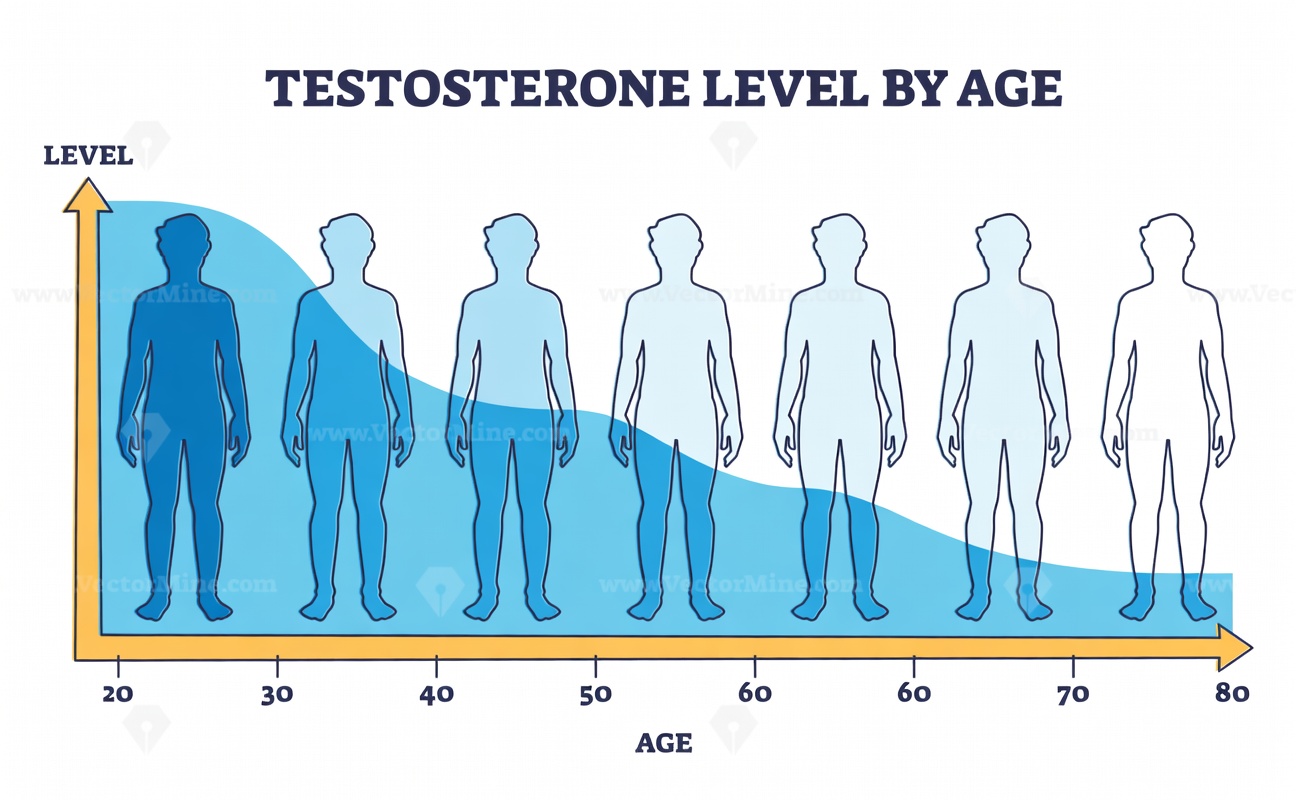
Testosterone is the hormone that fuels a man’s drive, strength, energy, and confidence. But starting around age 40, levels begin to drop—about 1% per year on average. By the time many men hit their mid-40s, they start experiencing subtle (and sometimes not-so-subtle) changes that affect everything from the bedroom to the gym to daily motivation.
If you’re in your 40s or beyond and wondering why you’re dragging through the day, struggling to build muscle, or feeling less interested in sex, you’re not alone. Nearly 40% of men over age 45 have clinically low testosterone (often called “Low T” or male hypogonadism). The good news? Recognizing the signs of low testosterone in men over 40 early can help you take action—before it impacts your quality of life long-term.
At BioElite in Boynton Beach, Florida, we specialize in personalized hormone optimization that stimulates your body’s natural testosterone production (instead of just replacing it). In this post, we’ll break down the 10 most common symptoms, what causes them, and proven steps you can take today.
Why Testosterone Declines After 40
Testosterone peaks in your late teens to early 20s and then gradually declines. Lifestyle factors like excess body fat, poor sleep, chronic stress, and environmental toxins can accelerate the drop. Low T isn’t just “part of getting older”—it’s a treatable condition that affects energy, metabolism, mood, and sexual health.
10 Key Signs of Low Testosterone in Men Over 40
Here are the most common symptoms. Many men notice several at once:
1.Persistent Fatigue and Low Energy
You feel drained even after a full night’s sleep. Simple tasks feel exhausting, and your motivation to hit the gym or tackle projects disappears.
2.Decreased Libido and Sex Drive
One of the earliest and most noticeable signs. Interest in sex drops, and spontaneous thoughts about intimacy fade.
3.Erectile Dysfunction or Weaker Erections
Difficulty achieving or maintaining erections, plus fewer morning erections. Low T reduces blood flow and nitric oxide production needed for strong performance.
4.Loss of Muscle Mass and Strength
You’re lifting the same weights but seeing less results. Muscle tone fades even if you’re still active.
5.Increased Body Fat (Especially Belly Fat)
Stubborn fat accumulates around the midsection. Low T slows metabolism and promotes fat storage.
6.Mood Changes, Irritability, or Depression
You feel more irritable, anxious, or down. Concentration and memory (“brain fog”) suffer too.
7.Poor Sleep Quality
Trouble falling asleep, staying asleep, or waking up refreshed. Low T disrupts sleep cycles and vice versa.
8.Reduced Bone Density
Higher risk of fractures or joint aches. Many men don’t notice this until a DEXA scan or injury occurs.
9.Loss of Body or Facial Hair
Thinner beard growth, less chest or pubic hair. Some men notice shrinking testicles.
10.Gynecomastia (Enlarged Breast Tissue)
Hormonal imbalance can cause tender or swollen chest tissue.
If several of these sound familiar, a simple blood test can confirm your levels (ideally taken in the morning when testosterone is highest).
How Low Testosterone Affects Your Daily Life
Left unaddressed, Low T doesn’t just sap your energy—it can increase risks for obesity, metabolic syndrome, diabetes, and even cardiovascular issues. Many men in South Florida tell us they “just felt old” until they optimized their hormones and got their edge back.
Getting Diagnosed
Diagnosis requires both symptoms and lab-confirmed low levels (typically under 300 ng/dL total testosterone, though free testosterone and symptoms matter more). At BioElite, we don’t just look at numbers—we evaluate the full picture with comprehensive labs and a personalized consultation with a medical professional provider, such as a Doctor, Physician Assistant or Nurse Practitioner.
Natural Ways to Address Low Testosterone
Lifestyle changes help:
•Strength training 3–4x/week
•High-protein diet rich in healthy fats
•7–9 hours of quality sleep
•Stress management
•Maintaining a healthy weight
For many men over 40, these alone aren’t enough. That’s where BioElite’s hormone optimization protocols shine.
•Peptide therapies like Sermorelin that can help stimulate your pituitary gland to produce more of your own testosterone naturally.
•Bioidentical hormone support and medically supervised plans with no long-term subscriptions.
•Telehealth options + direct pharmacy delivery for convenience.
Our licensed facility at 1101 N Congress Ave in Boynton Beach provides VIP, 24/7 support so you never feel like just another number.
Why Men in South Florida Choose BioElite
We focus on root-cause optimization—not quick fixes. Whether you’re dealing with fatigue, low libido, or weight that won’t budge, our protocols are designed for busy professionals who want results without the hassle.
Ready to feel like yourself again?
Schedule a confidential consultation today. Call (561) 821-3005 or visit BIOELITE.org to learn about your personalized hormone protocol.
Frequently Asked Questions About Low Testosterone in Men Over 40
Q: At what age does low testosterone usually start?
A: Levels begin declining around 30–40, with noticeable symptoms often appearing in the 40s.
Q: Can low testosterone cause weight gain?
A: Yes—Low T slows metabolism and increases belly fat, which then further lowers testosterone. It’s a vicious cycle we help break.
Q: Is TRT the only option?
A: No. We specialize in natural-production stimulators like Sermorelin that can help your body make its own testosterone.
Q: How quickly will I feel better?
A: Many men notice improved energy and mood within 4–6 weeks, with full benefits in 3–6 months.
Q: Do I need to come into the office?
A: Initial labs and consult can be done locally in Boynton Beach, with telehealth options available.
Q: Is this covered by insurance?
A: No. BIOELITE is cash-pay only and does not bill insurance or supply reimbursement documentation (including superbills). Transparent cash-pay pricing helps you avoid surprise bills from labs that insurance may only partially cover or not cover at all.